There are a lot of things to consider when it comes to skilled nursing care. And there are also just as many questions surrounding this specialized form of medical care — from what it entails and what insurance might cover, to the distinct differences between short-term and long-term care.
So, if you’re thinking about questions to ask skilled nursing facilities or simply looking for reliable information before making an important decision, this guide addresses many of the topics families ask most often.
Let’s take a look at six of the most commonly asked questions about skilled nursing, so you can confidently navigate this option and make the most informed decisions for your loved one.
What exactly is skilled nursing care?
Skilled nursing is an advanced level of medical care that goes beyond basic caregiving. Provided by licensed professionals including RNs, LPNs and nurse practitioners, this specialized care addresses complex medical needs with around-the-clock monitoring of health issues, pain management, wound care, IV therapies and more.
A skilled nursing environment is also specifically equipped for rehabilitation services after surgery or a hospital stay — providing expert physical, occupational, respiratory and speech therapy that helps patients recover and regain their independence.
When is skilled nursing care most needed?
Contrary to popular belief, skilled nursing isn’t just for elderly long-term care. Many communities like Marquette provide both long-term care as well as short-term rehabilitation for residents.
For short-term services, patients are typically in a facility temporarily to recover after surgery, an illness or a major health event such as a fall-related bone fracture, a stroke or cardiac failure. The ultimate goal for this type of care is to rehabilitate residents through appropriate therapies so they can return home with regained strength and independence.
On the other hand, the long-term care provided at a skilled nursing community is ideal for those who have more complicated medical needs that go beyond what can be managed through home care — such as chronic medical conditions, chronic severe pain or permanent disabilities.
For a long-term need, recognizing when skilled nursing care is necessary can be a challenging and emotional decision. Just remember that it’s vitally important for a loved one to have the best care possible. And you’ll gain peace of mind knowing that they’re receiving expert assistance with activities of daily living, three nutritious meals a day, 24-hour medication management and other critical support services.
What are the qualifications of a skilled nursing team?
The word “skilled” says it all. The broad range of specialists you’ll find at a skilled nursing community like Marquette gives you reassurance that your loved one is receiving the most comprehensive care tailored to their specific health conditions.
A skilled nursing team typically includes:
– Registered nurses (RNs) who provide 24-hour medical care, including administering medications, managing pain and wound care, and overseeing other treatments.
– Physical therapists (PTs) who are highly skilled at helping patients regain mobility after fall-related injuries, surgeries or medical conditions like strokes.
– Occupational therapists (OTs) who specialize in assisting patients with performing everyday tasks like eating, bathing and dressing.
– Speech and language pathologists who work with residents experiencing difficulty swallowing or communicating.
Other healthcare professionals on a skilled nursing team can include a medical director, registered dieticians, licensed social workers, geriatricians, certified nursing assistants and more.
If you’re wondering where you can get answers to your healthcare and nursing questions as you’re considering a senior living community for your loved one, the care team described above is your best resource for the information you’re seeking.
What’s the environment like at a skilled nursing facility?
Many people think that a skilled nursing environment will feel sad and lonely when you enter or may even feel like an extension of a hospital. This definitely isn’t the case.
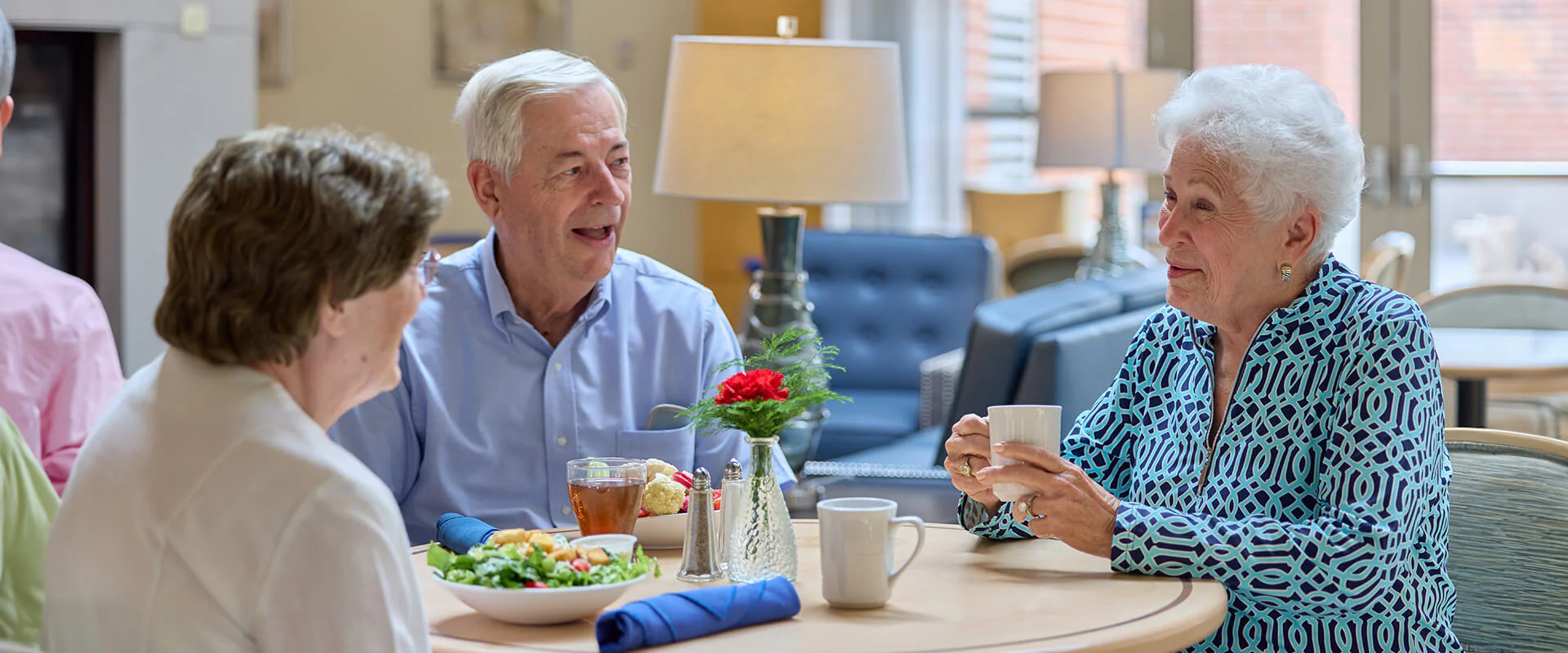
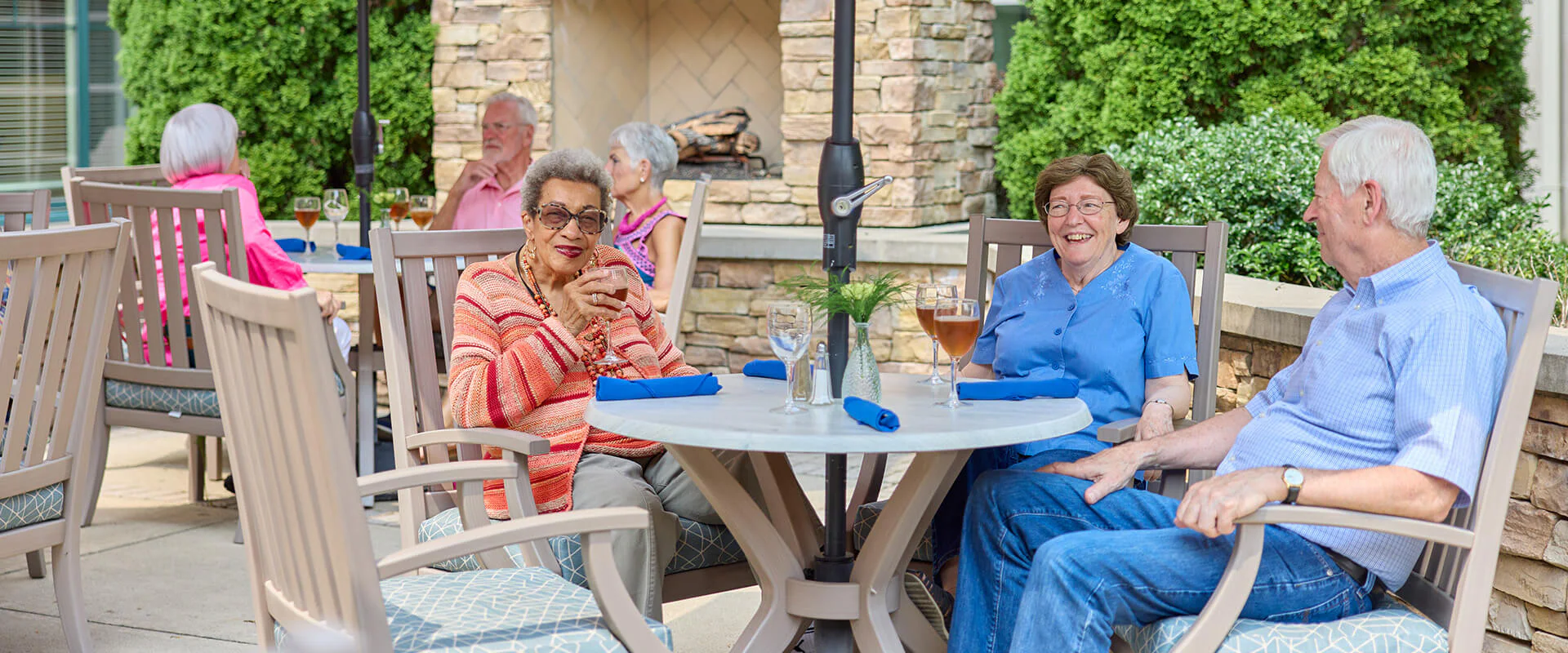
Today, skilled nursing areas are thoughtfully designed to have a warm, comfortable feeling of home. At the Marquette Health Center, we offer beautifully designed private and semi-private suites where residents enjoy chef-prepared cuisine that meets special dietary needs, as well as a variety of social, recreational, cultural, and religious activities. We know that it’s crucial to enrich the physical, cognitive, and emotional well-being of our residents — helping them lead fulfilling lives while providing the comprehensive care they need.
How can I stay involved in my family member’s care?
Remember: even if your loved one is in a skilled nursing community, your role is still extremely important because you are now serving as a bridge between them and their medical team.
You can stay actively involved by:
Advocating for your loved one’s care. Participating in meetings and staying informed and engaged with the care process is reassuring to your loved one. Be sure to keep an open line of communication with doctors, nurses and therapists, and ask questions so you can thoroughly understand their treatment plan.
Providing emotional support. It’s not just about the medical care. Ensuring that your loved one is emotionally supported is also essential for their overall well-being. Regular visits and conversations can provide the comfort they need to adjust to their new surroundings, and it gives you the opportunity to encourage them to engage in social activities.
Observing the quality of their care. Visiting frequently makes it easier to ensure that your skilled nursing team remains aligned with your loved one’s needs, and allows you to be proactive about any concerns or noticeable changes in their condition.
How can I plan for skilled nursing care expenses?
Planning ahead wouldn’t be possible without understanding the financial side of skilled nursing care. Questions to ask before choosing a skilled nursing facility most certainly would include one about costs. By asking up front, you can prevent unexpected financial strain and explore options for financial assistance if needed.
Various payment options are available:
Medicare. This federal health insurance program provides healthcare benefits to Americans aged 65 and older. After a physician referral and a qualifying hospital stay (at least three days), Medicare covers up to 100 days of skilled nursing care — typically at 100% for the first 20 days, and then partially for the remaining covered days, up to 100 days.
Medicaid. At Marquette, we understand your interest in questions and answers on Medicaid for nursing home residents. You have a lot to learn and consider for your loved one. In short, Medicaid is a federal and state health insurance program that provides medical care benefits to lower-income Americans who meet certain eligibility requirements. This option may cover long-term skilled nursing care, with covered services varying from state to state. An attorney who specializes in elder law can be a valuable resource in helping you get specific information about eligibility requirements, covered services, and the application process.
Private long-term care insurance. This health insurance option covers custodial skilled nursing care, but each policy has its own eligibility requirements, restrictions, costs and benefits, so be sure to check with your provider to understand what’s included.
Out of pocket. For those without insurance coverage, or if their insurance benefits have been exhausted, out-of-pocket payments for skilled nursing care may be required. Costs vary by location, level of care and facility, so it’s a good idea to discuss these upfront to know what to expect.
Remember, while skilled nursing addresses the medical needs of patients, the human element of care — empathy, respect and dignity — remains paramount.
At Marquette, we’re dedicated to providing care that is truly resident-centered, with a team of professionals who are completely committed to ensuring the highest levels of personal service, comfort and well-being for your loved one.
If you’re interested in learning more about our award-winning skilled nursing community in Indianapolis, we’d love to schedule your visit for a personal experience. Contact us today!